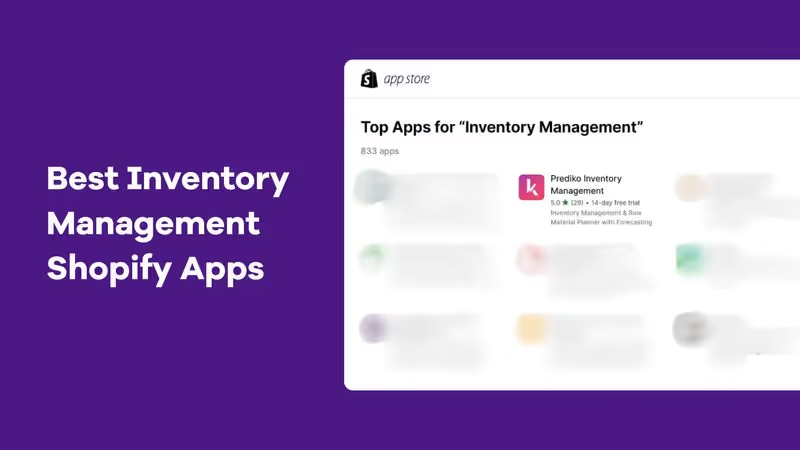


A quick search on Shopify App store for “inventory sync” shows a result of more than 597 apps. That's why we decided to create a fresh post on the apps that are currently the best in the ecosystem. This list not only contains the top features of a particular app but also the direct link to install the app.
This list not only contains the top features of a particular app but also the direct link to install the app.
Here are the top features that must be available within their choice of app:
- Synchronise inventory across multiple sources
- Ensure accurate stock levels and
- Reduce risk of overselling.
TL;DR: Best Shopify Inventory Sync Apps for Shopify
How We Selected the Best Shopify Inventory Sync Apps
To identify the best Shopify inventory sync apps, we evaluated each tool based on the features that matter most for growing eCommerce brands. Our analysis focused on how effectively each app synchronizes inventory across multiple stores, updates stock levels in real time, and integrates with Shopify’s ecosystem.
We also considered factors such as ease of setup, reliability of syncing, ability to handle complex SKUs and variants, customer reviews on the Shopify App Store, and overall value for money. Apps that lacked reliable syncing, had outdated integrations, or received consistently poor feedback from merchants were excluded from this list.
No. 1 👉 Prediko's AI Inventory Sync & Management App
4.9 ⭐ (180+ Reviews on Shopify Store)
Prediko features
- Facilitates inventory updates from various sources like suppliers' feeds and emails.
- Supports a range of file formats, flexible scheduling.
- Complex user interface, requires advanced setup, limited support options.
Pros
- Supports automated imports/updates from multiple sources and formats
- Recent reviews praise responsive support
Cons
- Setup can be “tricky” initially; reviewers mention a learning curve
- Even long-term users mention occasional “odd issues.
Pricing
Plans start at $7/month
Also read: All You Need to Know About Shopify Inventory Sync
2. Stock Sync
Main features of this Shopify App
- Facilitates inventory updates from various sources like suppliers' feeds and emails.
- Supports a range of file formats, flexible scheduling.
- Complex user interface, requires advanced setup, limited support options.
Pros
- Supports automated imports/updates from multiple sources and formats
- Recent reviews praise responsive support
Cons
- Setup can be “tricky” initially; reviewers mention a learning curve
- Even long-term users mention occasional “odd issues.”
Pricing
Plans start at $7/month
3. Syncee

Main features of this Shopify App
- Designed for dropshippers, offering powerful tools for product uploads and updates.
- Inventory sync, automatic order data syncing.
- Dropshipping focus, some syncing issues, delayed support responses.
Pros
- User-friendly interface for smooth operations
- Responsive support team
Cons
- Users mention billing/refund disputes
- Some reviews cite data/listing issues
Pricing
Plans start at $39.99/month.
4. Trunk

Main features of this Shopify App
- Provides stock syncing between Shopify and other sales channels like Etsy and eBay.
- Quick inventory updates, multi-platform support.
- Limited features for large enterprises, occasional sync delays.
Pros
- Syncs across multiple channels, including Square and Shopify
- Set/bundle stock deduction for managing bundle inventory
Cons
- UX/reporting gaps mentioned by users
- Limited bundle modeling
Pricing
Plans start at $35/month.
5. Inventory Sync ‑ GoGo

Main features of this Shopify App
- Get inventory updates across multiple channels and platforms.
- Scheduled updates, multiple warehouse support.
- Limited support for niche platforms, complex setup, update lags.
Pros
- Some users praise onboarding/support responsiveness
- Syncs quantity based on SKU/barcode
Cons
- Inventory sometimes gets randomly adjusted and requires hours to correct
- Initial learning curve to understand sync logic
Pricing
Plans start at $9.99/month.
6. Synkro: Inventory Sync

Main features of the Shopify App
- Dynamic and flexible solution for syncing inventory across various e-commerce platforms.
- Synchronization, intuitive interface.
- Requires technical knowledge, can be expensive for startups.
Pros
- Highly configurable, real-time syncing
- Allows two-way sync
Cons
- Follows a per-store subscription model, which can be expensive over time
- Lacks advanced inventory features like demand forecasting
Pricing
Plans start at $10/month.
7. Tipo Multi Store Inventory Sync
Main features of the Shopify App
- Simplifies inventory management for businesses operating multiple Shopify stores.
- Syncs inventory levels across stores, centralised management.
- Suited for multiple store owners, features may be excessive for single-store setups.
Pros
- Allows you to sync website pages, including blogs
- Customisable and lets you choose how the sync works, one or two-way
Cons
- Support has mixed reviews
- Users experience issues while setting up
Pricing
Plans start at $9/month.
8. Syncio Multi Store Sync
.avif)
Main features of the Shopify App
- Specializes in inventory synchronization between multiple Shopify stores.
- Detailed analytics, easy setup.
- Limited to Shopify, costly for businesses with several stores.
Pros
- Easy to use and quick set up
- The support team is responsive and acts on feedback
Cons
- Some reviews report serious sync reliability issues
- Users also mention billing issues
Pricing
Plans start at $9/month.
9. Hextom: Bulk Product Edit

Main features of the Shopify App
- Enables quick and efficient bulk edits of product details.
- Scheduled and recurring edits, rollback changes.
- Not a sync tool, advanced feature learning curve, cluttered UI.
Pros
- Bulk editing across products/variants/orders/metafields/tags
- Revert/rollback and scheduling features
Cons
- Users mention irresponsive customer support
- Frequent editing glitches
Pricing
Plans start at $9.99/month.
We understand that selecting the right app for Inventory sync is a big task so that's why at Prediko, we offer a full featured 14-day free trial and guided onboarding to help you understand why we tackle most of the inventory sync challenges that modern D2C brands face.
Frequently Asked Questions
- Immediate sync when you install our app from Shopify App store.
- Real-time inventory updates across multiple stores
- Map multiple SKUs to the right product.
- Access sync logs to track changes and updates to your inventory
Pros
- AI agents to execute tasks for you
- Handles complex variants and bundles across channels
- Responsive support team
- Comes with advanced inventory features beyond sync
Cons
- Integrations with some WMS/3PLs are still in development
Pricing
Prediko offers tiered pricing based on your store’s revenue. Plans start at just $49/month for small businesses and scale up with the revenue of the business. All plans include unlimited SKUs, purchase orders, and user
Here is how Prediko works
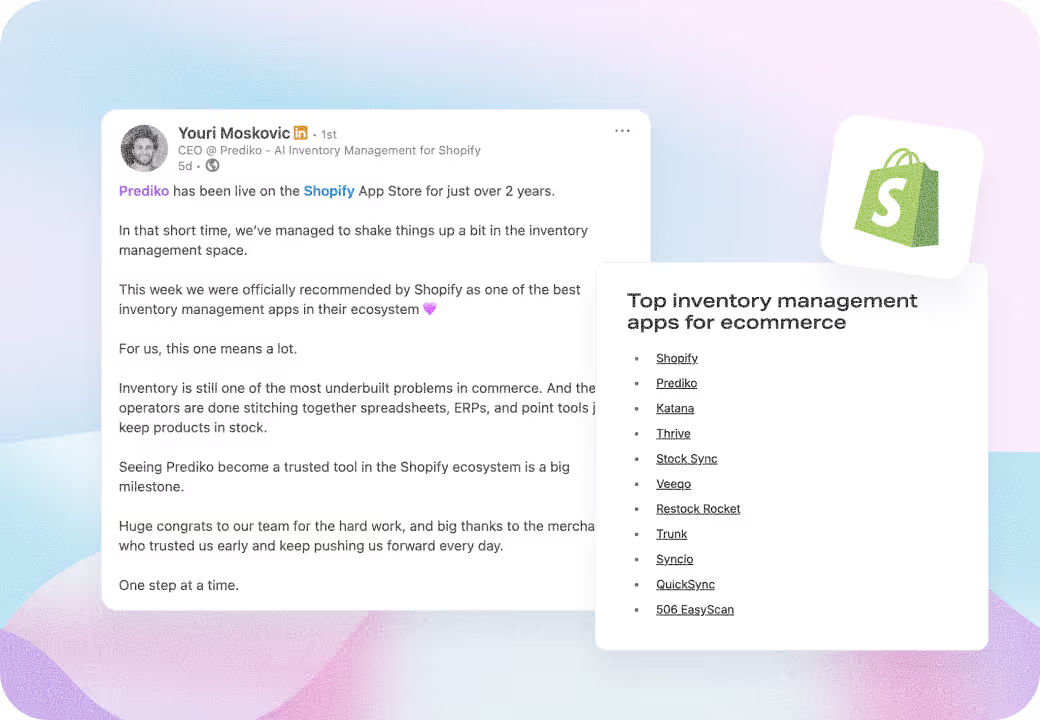
Here is a list of apps that make it to the list of Top 10 Shopify apps for Inventory Sync in 2026
2. SyncX Stock Sync
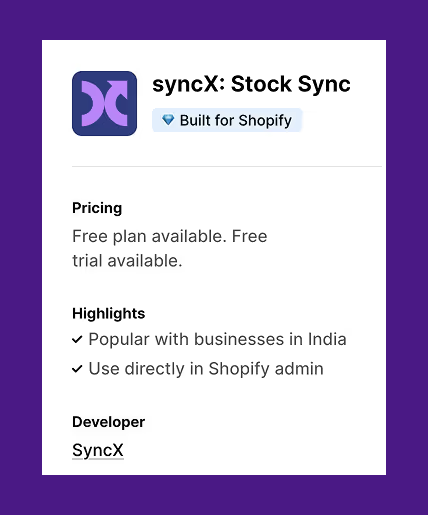
Main features of this Shopify App
- Facilitates inventory updates from various sources like suppliers' feeds and emails.
- Supports a range of file formats, flexible scheduling.
- Complex user interface, requires advanced setup, limited support options.
Pros
- Supports automated imports/updates from multiple sources and formats
- Recent reviews praise responsive support
Cons
- Setup can be “tricky” initially; reviewers mention a learning curve
- Even long-term users mention occasional “odd issues.
Pricing
Plans start at $7/month
Also read: All You Need to Know About Shopify Inventory Sync
3. Syncee
Main features of this Shopify App
- Designed for dropshippers, offering powerful tools for product uploads and updates.
- Inventory sync, automatic order data syncing.
- Dropshipping focus, some syncing issues, delayed support responses.
Pros
- User-friendly interface for smooth operations
- Responsive support team
Cons
- Users mention billing/refund disputes
- Some reviews cite data/listing issues
Pricing
Plans start at $39.99/month.
4. Trunk
Main features of this Shopify App
- Provides stock syncing between Shopify and other sales channels like Etsy and eBay.
- Quick inventory updates, multi-platform support.
- Limited features for large enterprises, occasional sync delays.
Pros
- Syncs across multiple channels, including Square and Shopify
- Set/bundle stock deduction for managing bundle inventory
Cons
- UX/reporting gaps mentioned by users
- Limited bundle modeling
Pricing
Plans start at $35/month.
5. Inventory Sync ‑ GoGo
Main features of this Shopify App
- Get inventory updates across multiple channels and platforms.
- Scheduled updates, multiple warehouse support.
- Limited support for niche platforms, complex setup, update lags.
Pros
- Some users praise onboarding/support responsiveness
- Syncs quantity based on SKU/barcode
Cons
- Inventory sometimes gets randomly adjusted and requires hours to correct
- Initial learning curve to understand sync logic
Pricing
Plans start at $9.99/month.
6. Synkro: Inventory Sync
Main features of the Shopify App
- Dynamic and flexible solution for syncing inventory across various e-commerce platforms.
- Synchronization, intuitive interface.
- Requires technical knowledge, can be expensive for startups.
Pros
- Highly configurable, real-time syncing
- Allows two-way sync
Cons
- Follows a per-store subscription model, which can be expensive over time
- Lacks advanced inventory features like demand forecasting
Pricing
Plans start at $10/month.
7. Tipo Multi Store Inventory Sync
Main features of the Shopify App
- Simplifies inventory management for businesses operating multiple Shopify stores.
- Syncs inventory levels across stores, centralised management.
- Suited for multiple store owners, features may be excessive for single-store setups.
Pros
- Allows you to sync website pages, including blogs
- Customisable and lets you choose how the sync works, one or two-way
Cons
- Support has mixed reviews
- Users experience issues while setting up
Pricing
Plans start at $9/month.
8. Syncio Multi Store Sync
Main features of the Shopify App
- Specializes in inventory synchronization between multiple Shopify stores.
- Detailed analytics, easy setup.
- Limited to Shopify, costly for businesses with several stores.
Pros
- Easy to use and quick set up
- The support team is responsive and acts on feedback
Cons
- Some reviews report serious sync reliability issues
- Users also mention billing issues
Pricing
Plans start at $9/month.
9. Hextom: Bulk Product Edit
Main features of the Shopify App
- Enables quick and efficient bulk edits of product details.
- Scheduled and recurring edits, rollback changes.
- Not a sync tool, advanced feature learning curve, cluttered UI.
Pros
- Bulk editing across products/variants/orders/metafields/tags
- Revert/rollback and scheduling features
Cons
- Users mention irresponsive customer support
- Frequent editing glitches
Pricing
Plans start at $9.99/month.
We understand that selecting the right app for Inventory sync is a big task so that's why at Prediko, we offer a full featured 14-day free trial and guided onboarding to help you understand why we tackle most of the inventory sync challenges that modern D2C brands face.